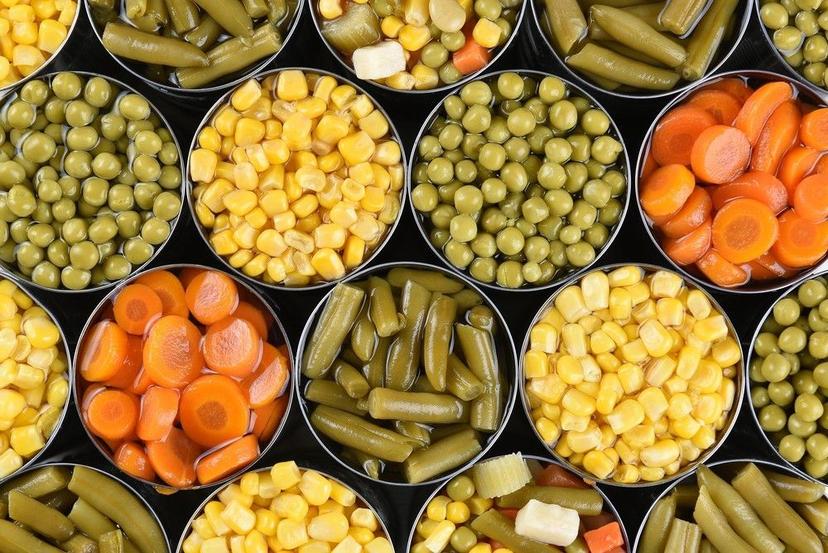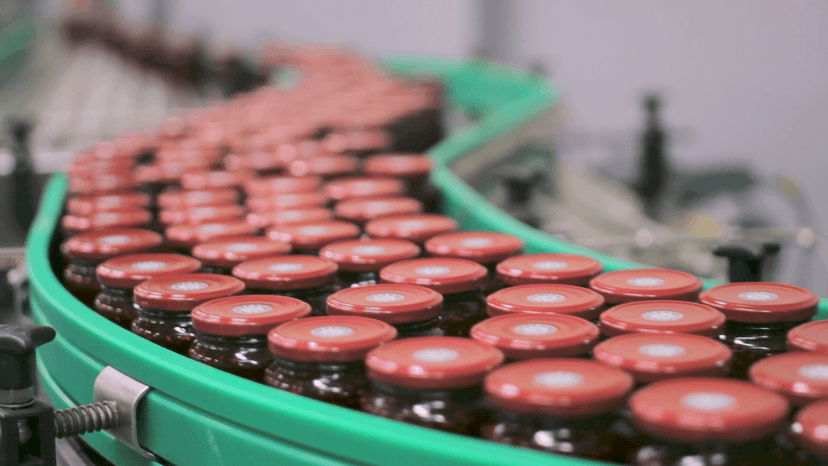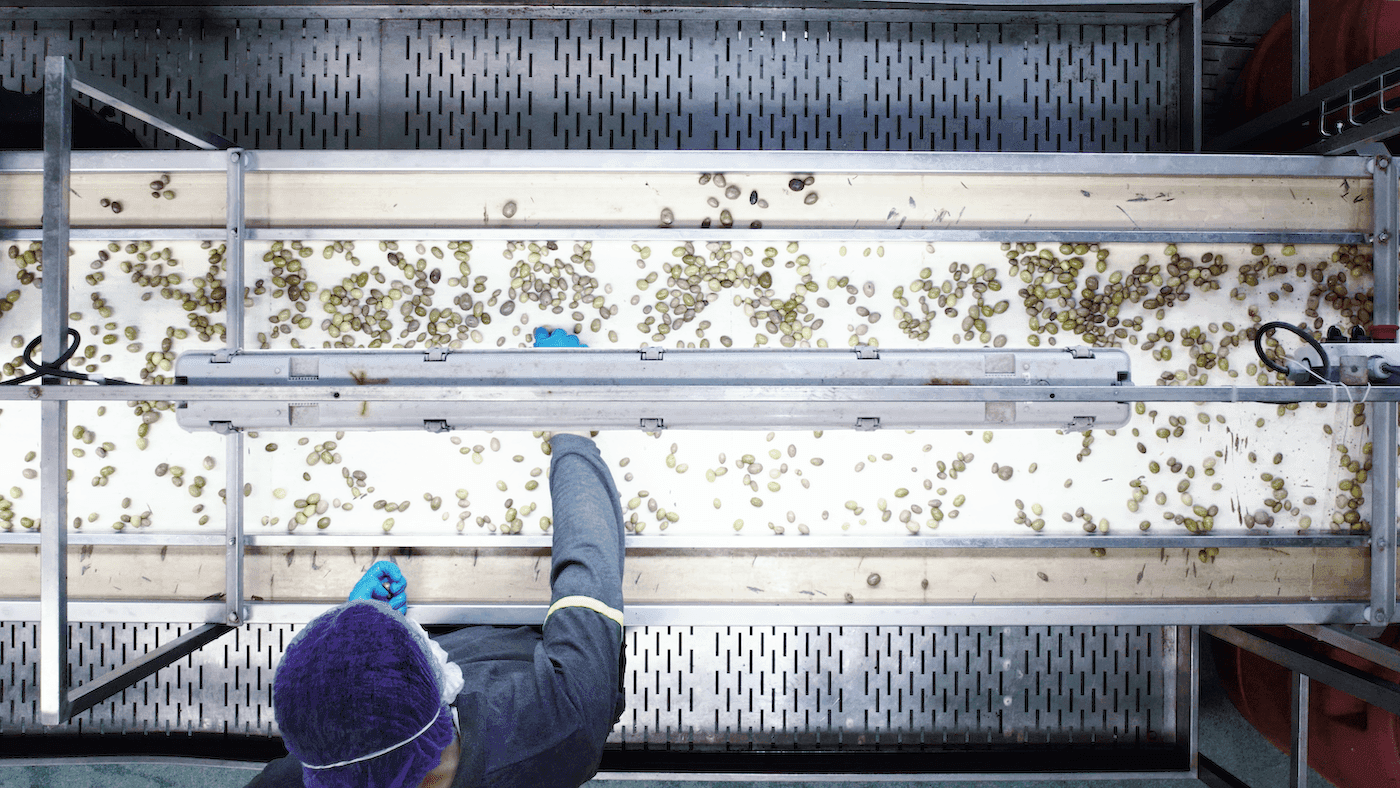
In today's fast-paced world, canned foods have emerged as a cornerstone of convenient, nutritious eating. Contrary to common misconceptions, modern canning technology actually preserves and sometimes enhances the nutritional value of foods, making them an excellent choice for health-conscious consumers.
Nutrient Preservation Through Modern Canning
The canning process involves heating foods to specific temperatures that destroy harmful bacteria while preserving essential nutrients. Studies have shown that canned fruits and vegetables often retain comparable levels of vitamins A, C, and E to their fresh counterparts. In some cases, nutrients like lycopene in tomatoes become more bioavailable after the canning process.
Extended Shelf Life, Reduced Food Waste
Canned foods offer an impressive shelf life of 2-5 years when stored properly, significantly reducing food waste. This extended preservation allows families to maintain a well-stocked pantry with nutritious options readily available, reducing the frequency of shopping trips and ensuring access to healthy foods even during unexpected circumstances.
Richland's Commitment to Healthy Options
At Richland, we understand the importance of providing healthy, convenient food options. Our products are carefully formulated to minimize added sodium and preservatives while maximizing nutritional value. From our protein-rich chickpeas and beans to our vitamin-packed fruits in light syrup, every Richland product is designed to support a healthy lifestyle.
Practical Tips for Healthy Canned Food Consumption
To maximize the health benefits of canned foods, choose products with no added salt or sugar when possible, rinse canned vegetables to reduce sodium content, and incorporate a variety of canned fruits, vegetables, and legumes into your meal planning. Canned foods can be the foundation of quick, nutritious meals that fit into any healthy eating plan.